Personal Information

DR. C. MURALIDHARAN

M.B.B.S., FRSSDI., Diabetology Training in Newcastle University

Past Secretary: RSSDI Tamilnadu Chapter (2022 - 2025)

Patron : Diabetes Club of Dindigul & Club Pulmonale Dindigul

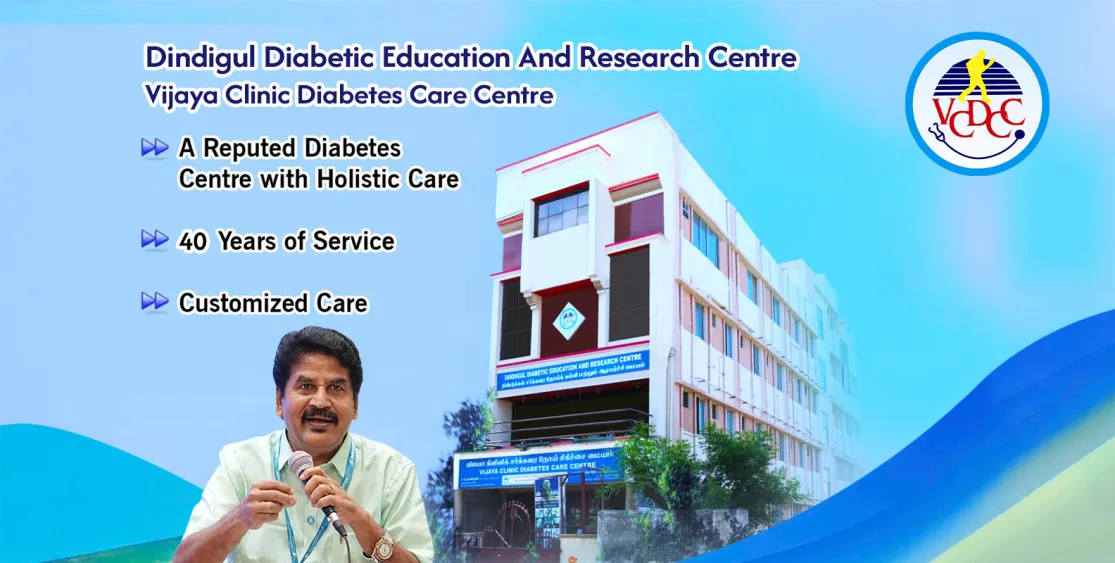
Managing Director : Vijaya Clinic Diabetes Care Centre

Managing Trustee : Dindigul Diabetic Education And Research Centre Dindigul

Unique Services
  • Gestational Diabetes
  • Diabetes Prevention
  • Preventive Cardiology
  • Bone Mineral Density
  • Cholesterol
  • Fatty Liver
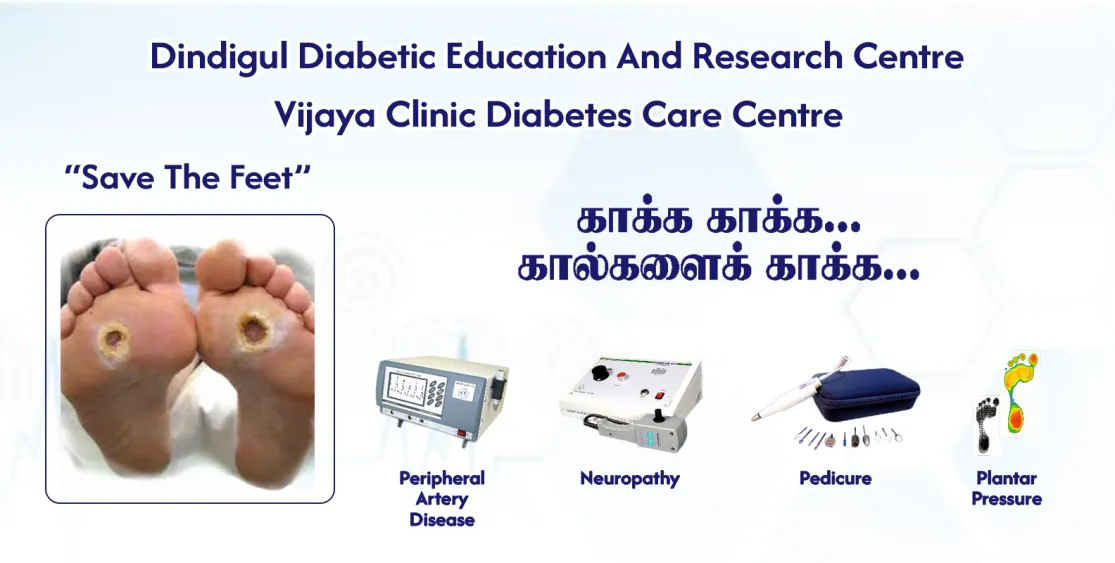
  • Foot Ulcer
  • Obesity
  • Life Style
  • Fibroscan
  • Sugar
  • BP

Teaching Experience

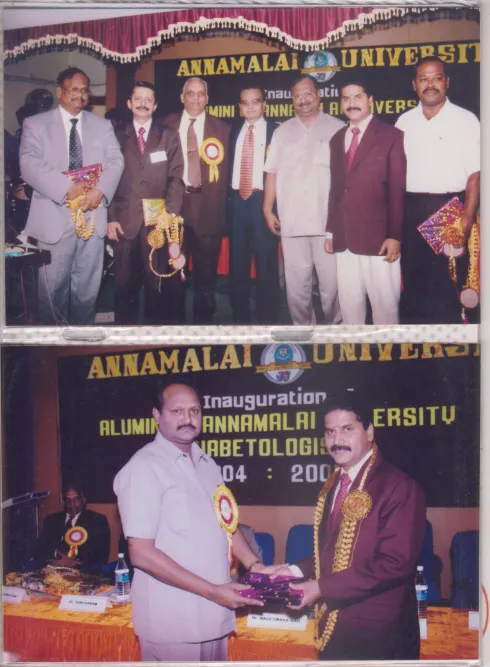
Teaching Faculty of Diploma program of Diabetology, Annamalai university, Tamilnadu(2005-2007).

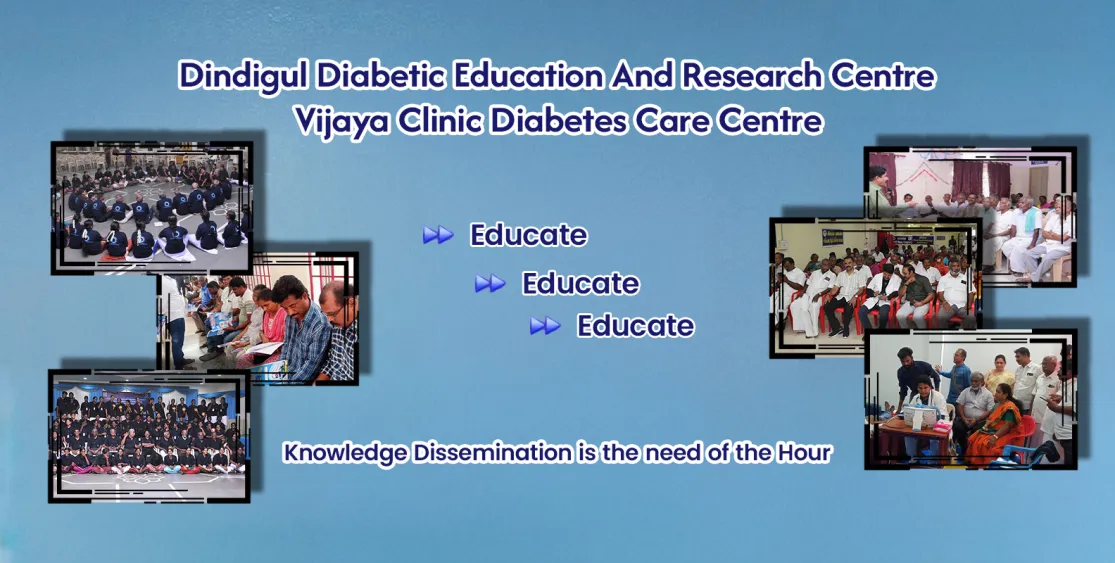
Certified Trainer: National Diabetes Educator Programme.

Making Tremendous Contribution as trainer of NDEP the largest initiative of its kind in the world - To Train Diabetes Educators in India.

Speaker/Chair Person for Diabetic Symposia, Diabetic Conferences and Workshops at the Regional and National Level since 20 years.

Dr. Mohan’s International Conference, DIABETES INDIA, TRAC, RECEPTOR, RSSDI , HDA, KUMBMETCON, DCTCON, CUPID, KAIRALICON, DISHA, AZIDE, DEBATE , WPCD, DAISICON, DECON, GCDC, INDO US CONCLAVE, MGDCON, CARDIO METABOLIC CONGRESS.,

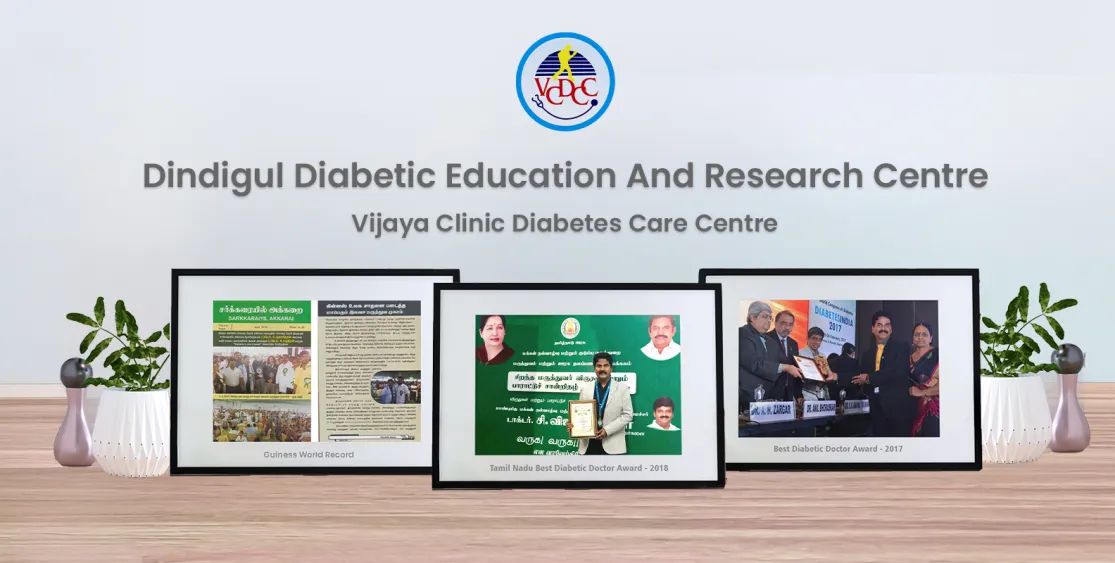
World Of Guiness Records

On 04-04-2015, we screened 26171 persons for Diabetes(Blood Sugar Testing) in a single day from 8.30Am to 4.30Pm in Karur.It was Considered for Guiness World Record by the Representatives of Guiness World Record. This was Organised by Honourable Minister Of Tamilnadu Mr.Senthil Balaji.

AWARDS/ACCOLADES

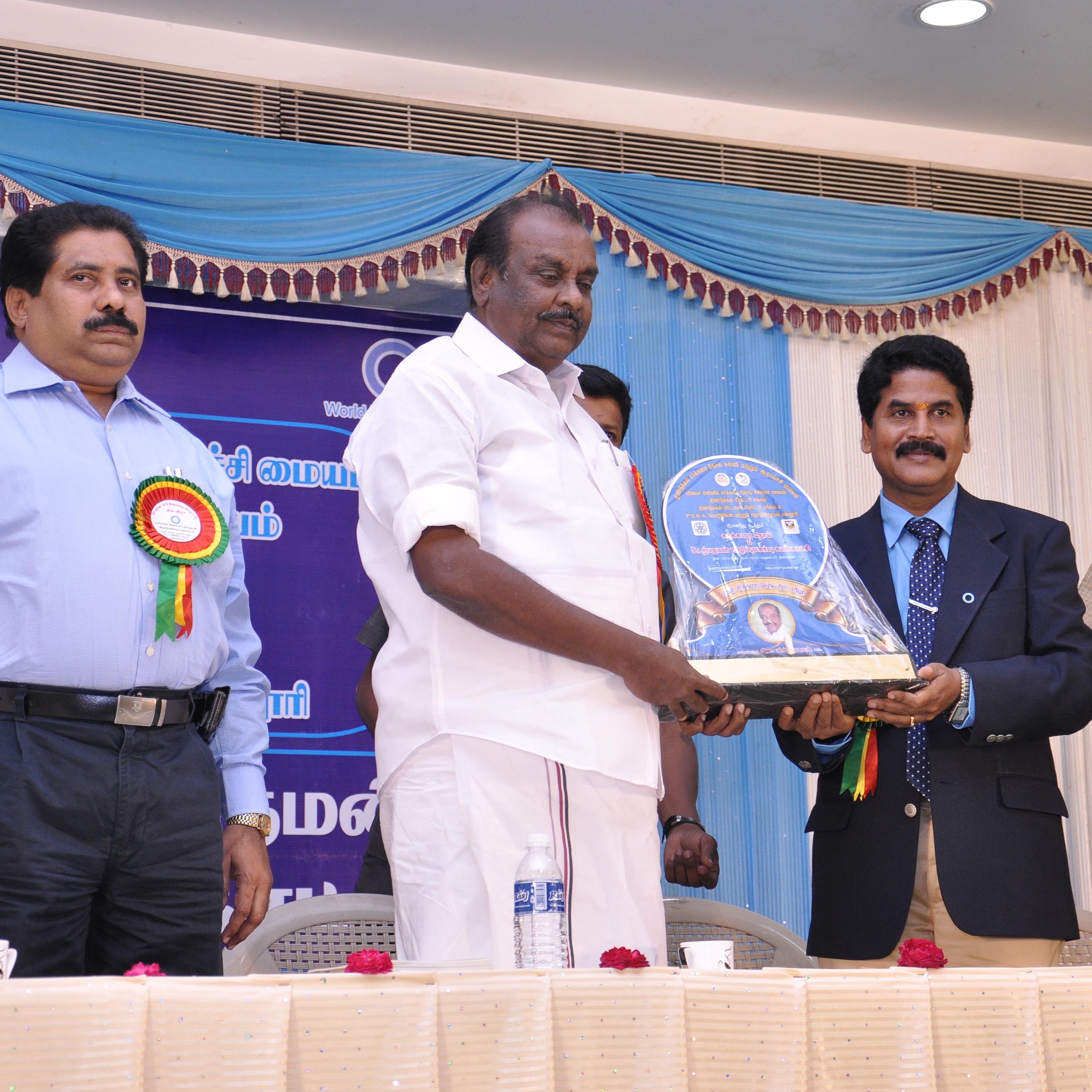
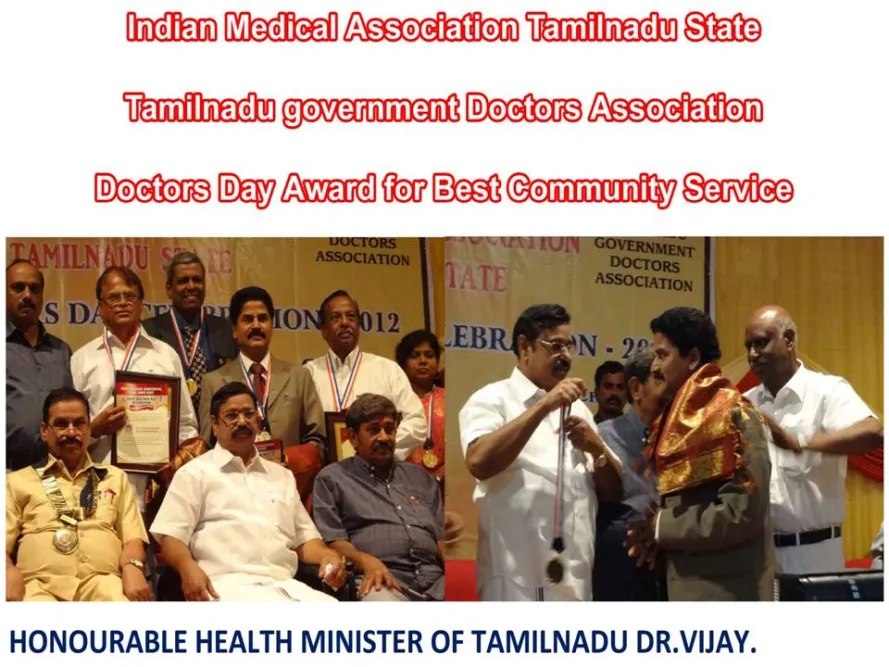
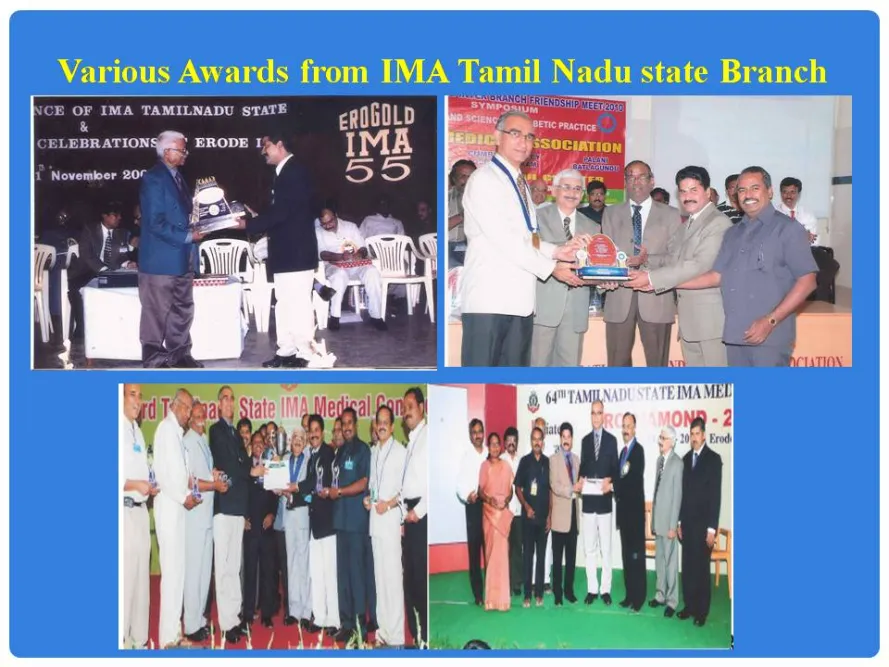
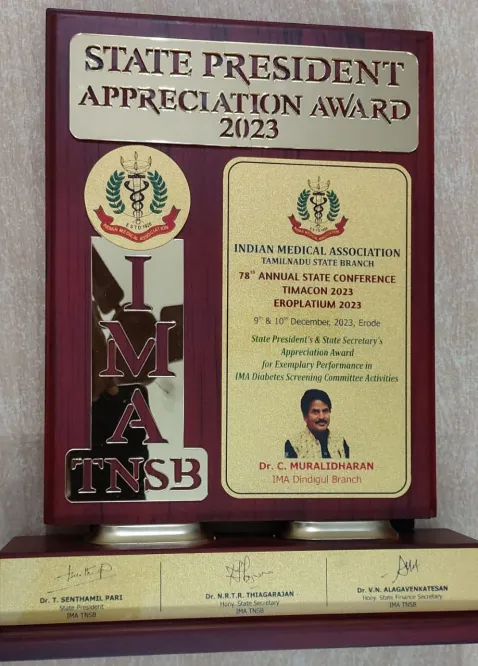
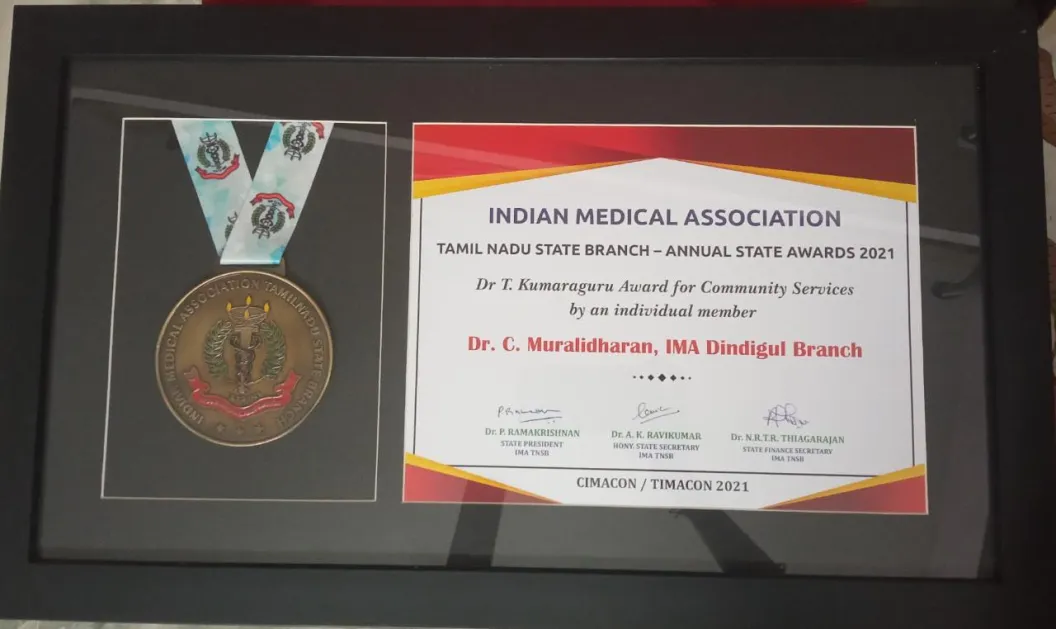
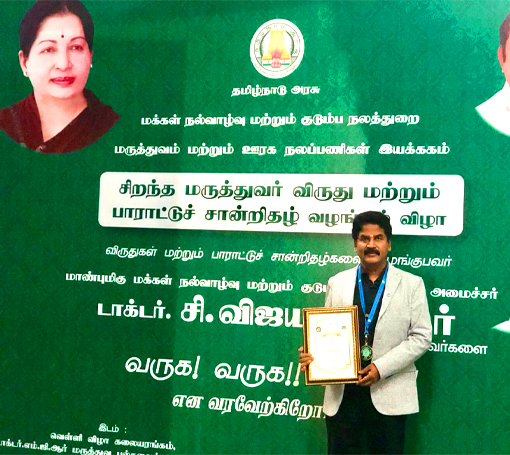
Best Doctor Award by IMA Tamilnadu State Branch in 2012.

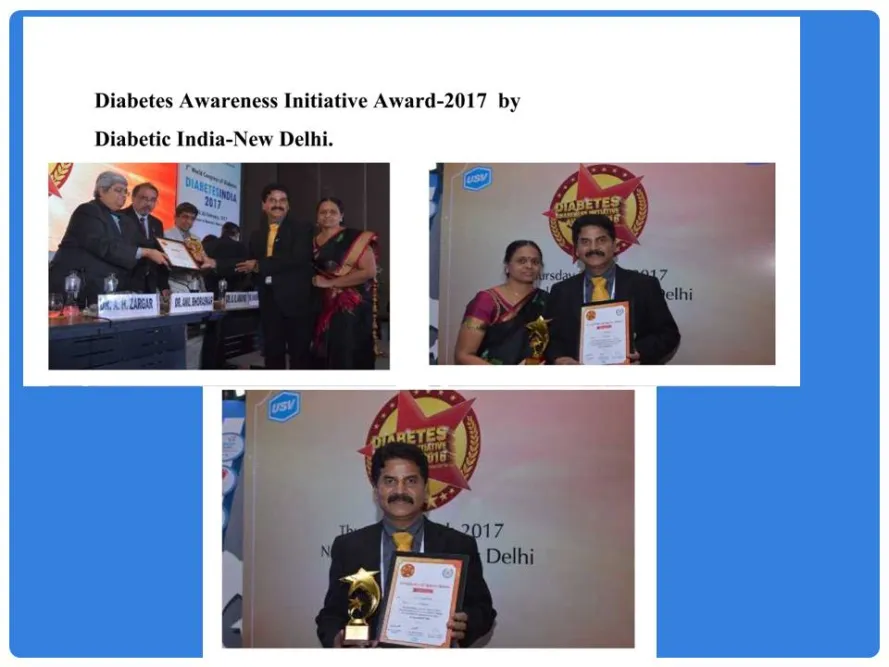
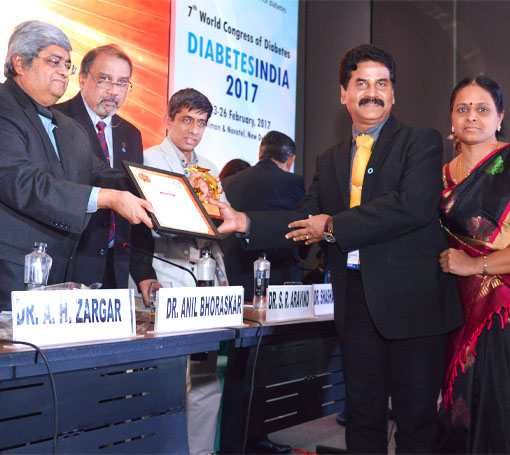
Diabetes Awareness Initiative Award - 2017 by Diabetes India New Delhi .

Best Doctor Award - 2018 by Tamilnadu Government.

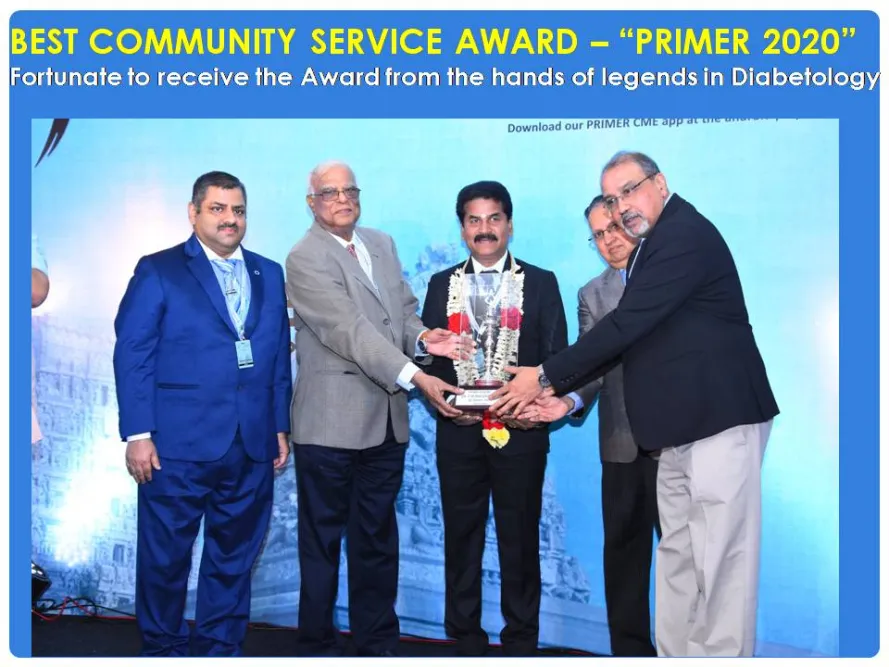
Best Community Service Award - 'PRIMER 2020'

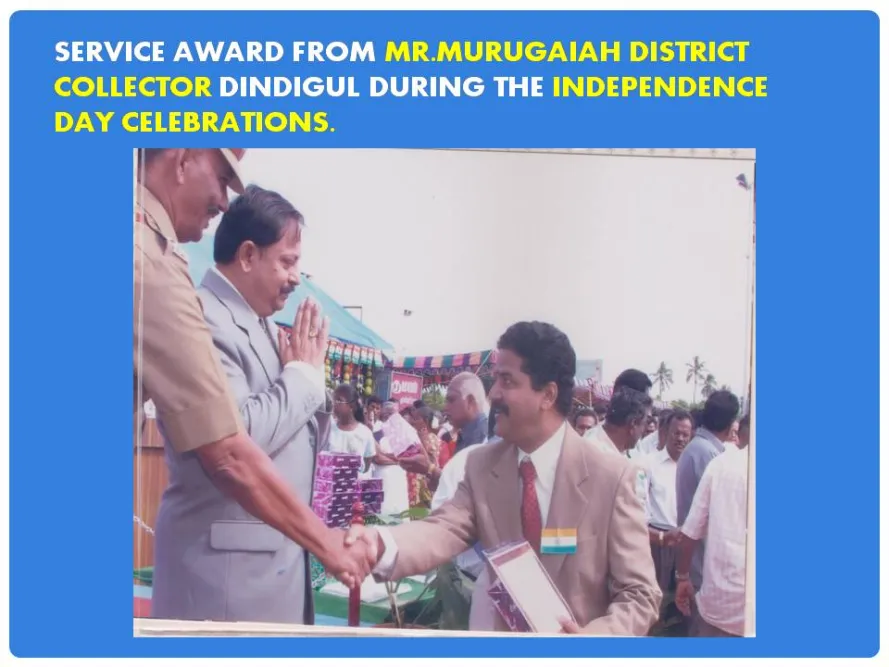
Service Award from MR.Murugaiah District Collector Dindigul during the Independence Day Celebrations

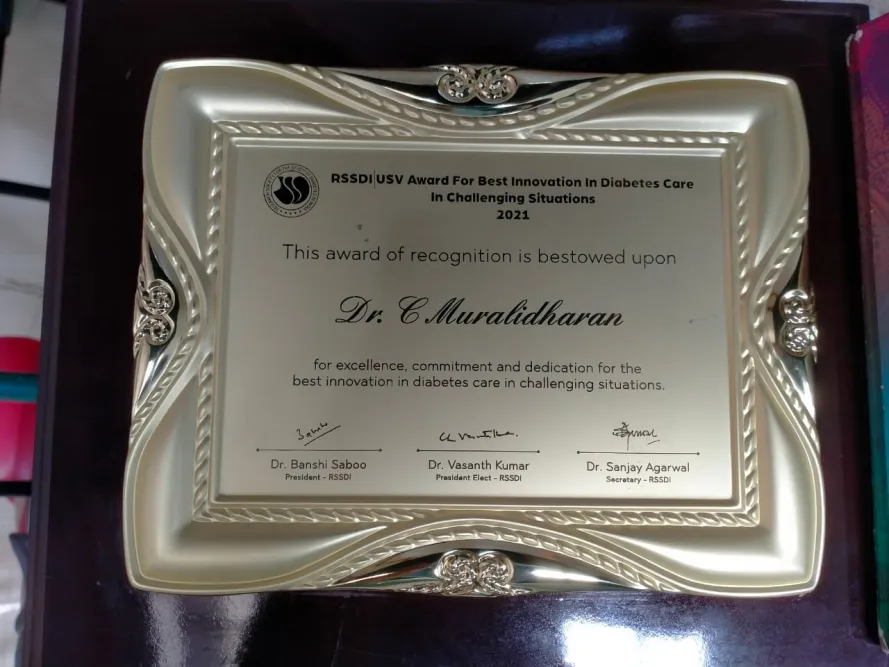
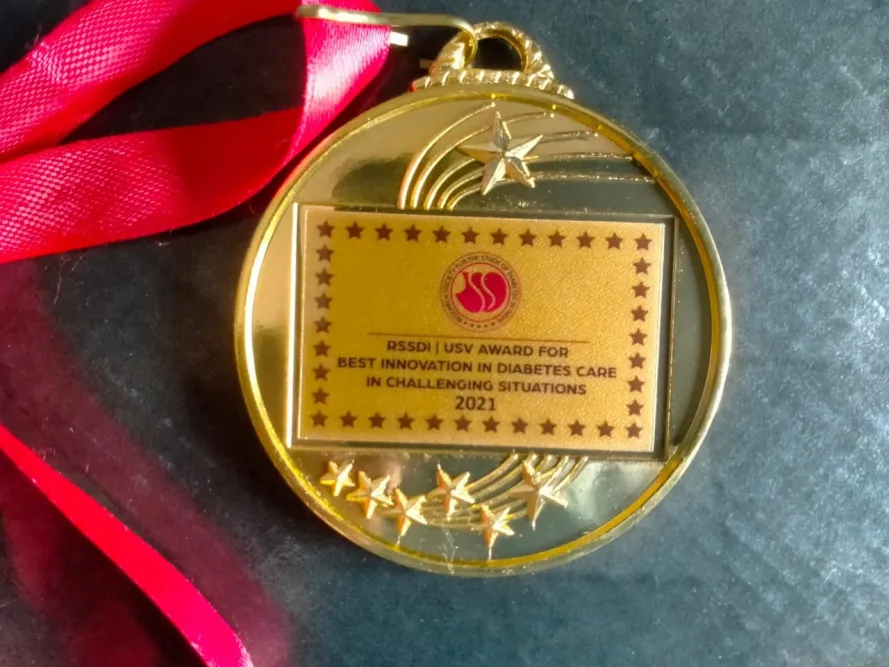
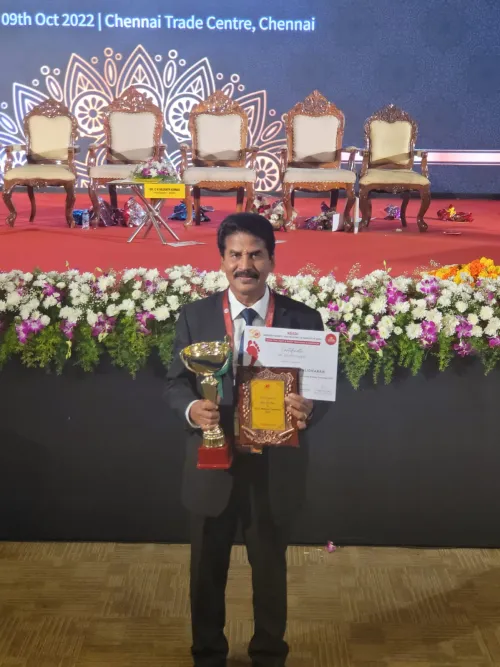
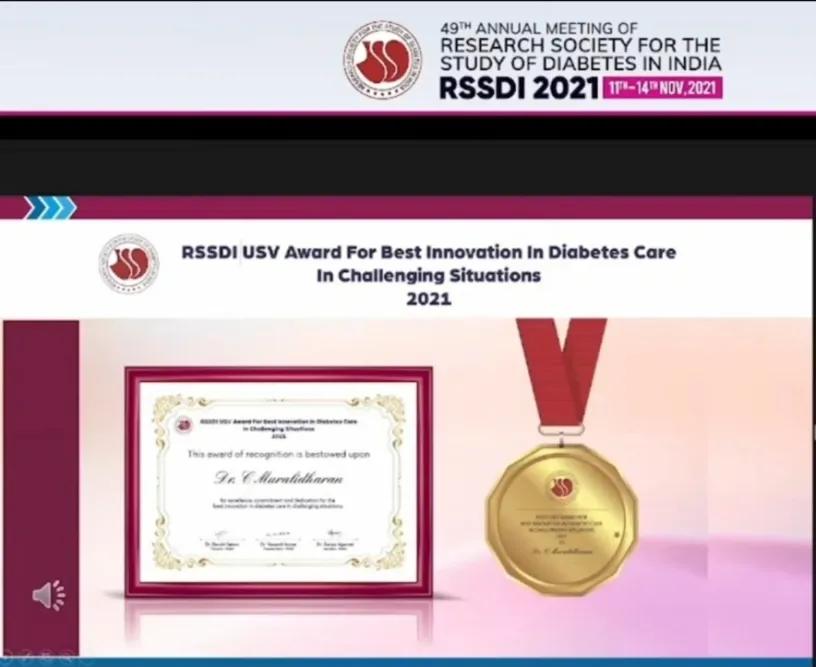
RSSDI - USV Award for best Innovation in Diabetes Care in Challenging Situation 2021.

Lots of Awards from Various Organisations.

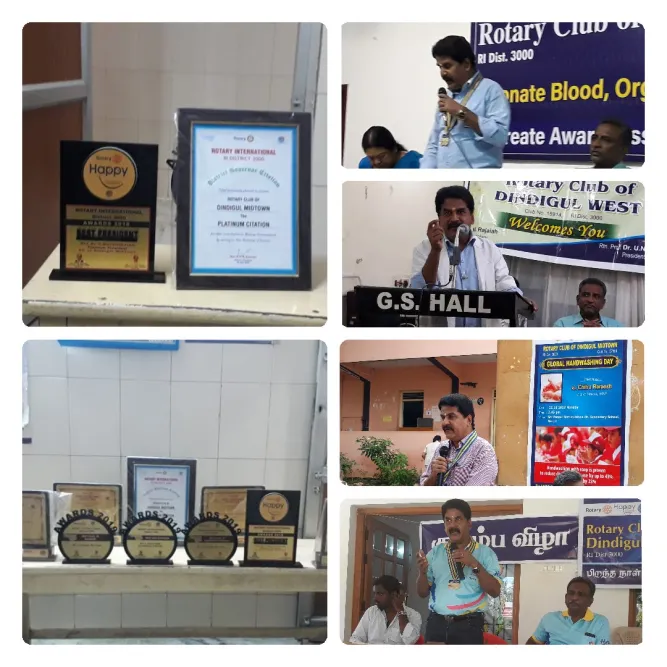
Various Awards from Rotary International RI District 3000(2018-2019)

1. Best President

2. Best Club in Rainbow

3. Best Club in Membership Growth.
Services

Free Health Care Consultation

Free Consultation on Designated Days.

24x7 Free Diet Counselling by the Diabetes Educators & Dietitians

MAKE AN APPOINTMENT - vcdcc87@gmail.com
Phone: +91 9003552332
0451 - 2999620

"Know Diabetes"

"No Diabetes"

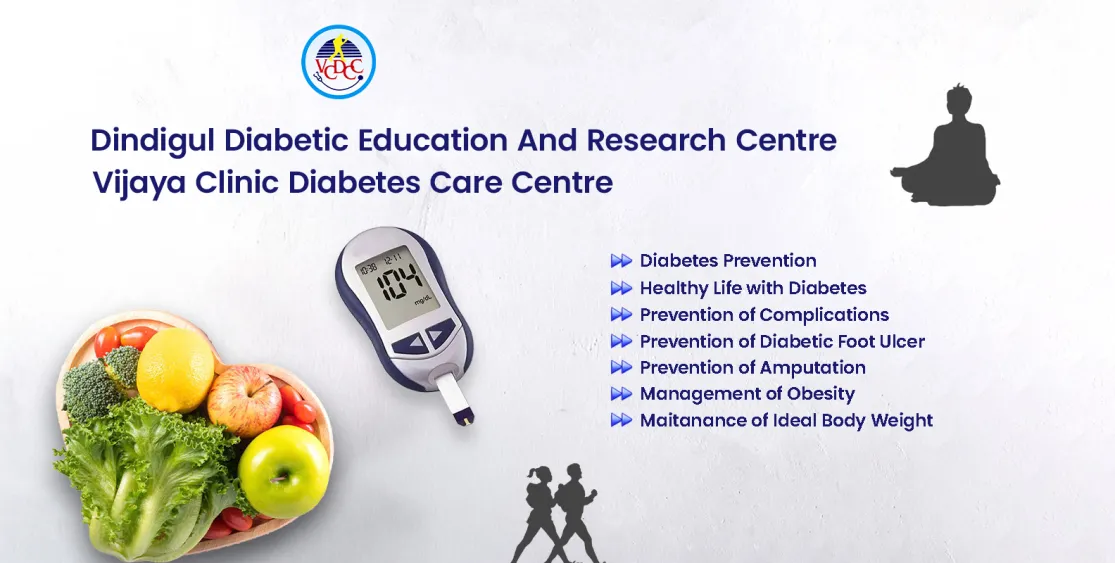
Diabetes Prevention

Lose extra weight, Be more physically active, Eat healthy plant foods, Eat healthy fats.

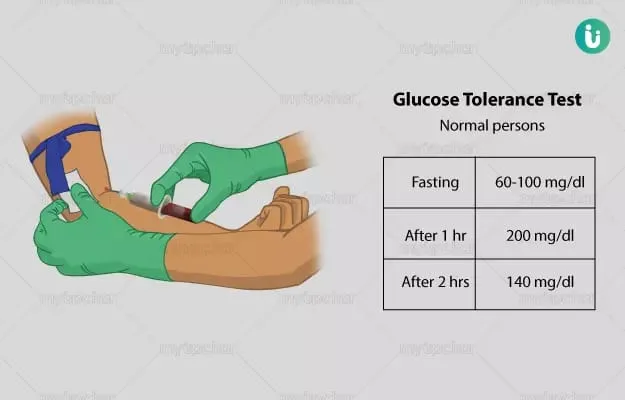
Free GTT Services Available since 1994.

Make An Appointement
Phone: +91 9003552332
    0451 - 2999620
Telemedicine

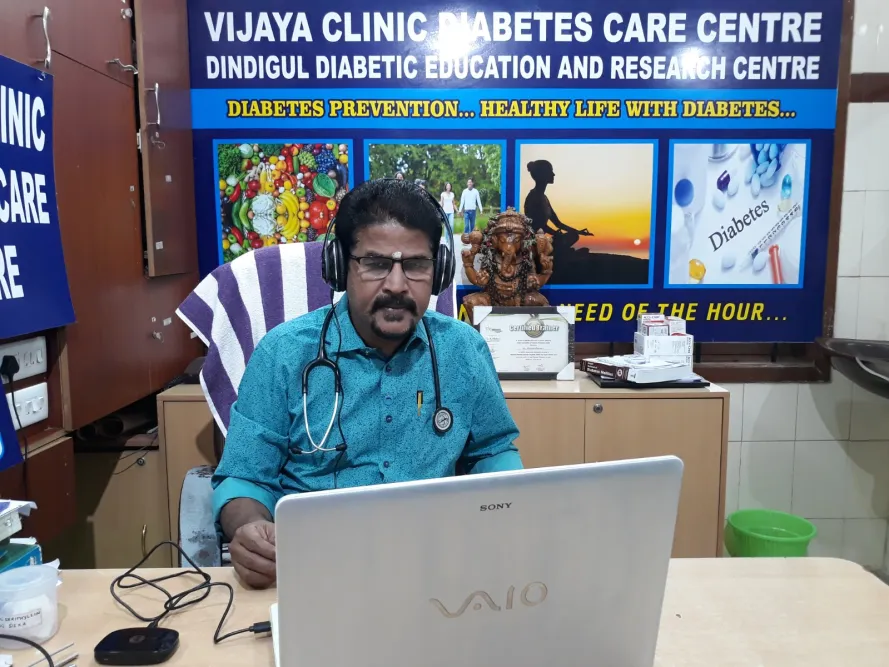
Telemedicine systems allow health care professionals to evaluate, diagnose and treat patients .

What's App video Services available

Make An Appointement

9003551995

Make Payment

QR Code for Payment

Mobile Clinic

Mobile clinics are customized vehicles that travel to the heart of communities, both urban and rural.

Coming Soon..

Diabetes Types

Type 1 diabetes (T1D) is a chronic autoimmune condition where the pancreas produces little to no insulin.

Key Characteristics
  • Autoimmune Destruction: The immune system mistakenly attacks and destroys the insulin-producing beta cells in the pancreas.
  • Insulin Deficiency: The body cannot produce enough insulin, leading to high blood sugar levels.
  • Typically Onset in Childhood or Adolescence: Often develops in children and young adults, though it can occur at any age.
Symptoms
  • Increased Thirst and Urination: Caused by high blood sugar levels.
  • Fatigue: High blood sugar can cause weakness and lethargy.
  • Weight Loss: Occurs due to the body’s inability to use glucose for energy.
Management
  • Insulin Therapy: Injections or an insulin pump to manage blood sugar levels.
  • Blood Sugar Monitoring: Regular checks to adjust insulin doses and stay in target range.
  • Lifestyle Modifications: Healthy diet, exercise, and stress management.
Ongoing Research
  • Stem Cell Therapies: Aiming to regenerate or replace damaged beta cells.
  • Immunomodulation: Therapies to prevent or reverse autoimmune destruction.
  • Artificial Pancreas: Systems that automate insulin delivery and improve glucose control.

Type 1 diabetes requires careful management to maintain blood sugar control and prevent long-term complications.

Type 2 diabetes (T2D) is a chronic metabolic disorder characterized by insulin resistance and impaired insulin secretion.

Key Characteristics
  • Insulin Resistance: The body's cells become less responsive to insulin, making it harder for glucose to enter the cells.
  • Impaired Insulin Secretion: The pancreas may not produce enough insulin to meet the body's needs.
  • Hyperglycemia: High blood sugar levels can occur due to insulin resistance and impaired insulin secretion.
Risk Factors
  • Obesity: Excess body fat, particularly around the abdominal area, increases the risk.
  • Physical Inactivity: Sedentary lifestyle contributes to insulin resistance.
  • Family History: First-degree relatives with type 2 diabetes increase the risk.
  • Age: Risk increases after age 45.
Symptoms
  • Increased Thirst and Urination: Caused by high blood sugar levels.
  • Fatigue: Weakness and lethargy from poor glucose usage.
  • Slow Healing: High sugar impairs wound healing.
Management
  • Lifestyle Modifications: Healthy eating, regular exercise, weight management.
  • Medications: Oral or injectable medications to improve insulin function.
  • Blood Sugar Monitoring: Regular checks to adjust treatment.
Prevention
  • Healthy Lifestyle: Balanced diet, physical activity, maintaining weight.
  • Early Detection: Screening and treating prediabetes.

Gestational diabetes mellitus (GDM) develops during pregnancy, usually in the 2nd or 3rd trimester.

Key Characteristics
  • High Blood Sugar: First recognized during pregnancy.
  • Insulin Resistance: Hormonal changes cause resistance.
  • Temporary Condition: Usually resolves after delivery but increases risk for type 2 diabetes later.
Risk Factors
  • Previous history of GDM
  • Family history of diabetes
  • Obesity
  • Age over 35
Screening
  • Glucose screening test (24–28 weeks)
  • Oral glucose tolerance test if abnormal
Management
  • Healthy eating
  • Regular physical activity
  • Insulin therapy if required
  • Blood sugar monitoring
Importance
  • Reduces complications for mother and baby
  • Ensures healthy fetal development
  • Reduces pregnancy and delivery risks

Neonatal Diabetes Mellitus (NDM) is a rare form of diabetes that develops in the first 6 months of life, often within the first few weeks.

Key Characteristics
  • Early Onset: Usually develops within the first 6 months, often in the first few weeks after birth.
  • Genetic Causes: Often caused by genetic mutations affecting insulin production or function.
  • Insulin Dependence: Requires insulin therapy to manage blood sugar levels.
Types of NDM
  • Transient Neonatal Diabetes Mellitus (TNDM): Temporary; often resolves within the first year of life.
  • Permanent Neonatal Diabetes Mellitus (PNDM): Lifelong condition requiring ongoing insulin therapy.
Symptoms
  • High blood sugar levels — increased thirst, frequent urination.
  • Weight loss or failure to gain weight.
  • Dehydration due to high blood sugar.
Management
  • Insulin therapy via injections or insulin pump.
  • Regular blood sugar monitoring to adjust insulin doses.
  • Genetic testing to identify the underlying cause.
Importance of Early Diagnosis and Treatment
  • Prevents complications and supports healthy growth and development.
  • Improves outcomes and reduces the risk of long-term complications.

Neonatal diabetes requires careful, lifelong monitoring and management to ensure the best possible outcomes for affected infants.

GTT (Glucose Tolerance Test): சர்க்கரை நோய் இல்லாதவர்கள் கவனத்திற்கு : 5 - 10 ஆண்டுகளுக்குப்பின் வரக்கூடிய சர்க்கரை நோயை முன்பே கண்டறிய உதவும் பரிசோதனை ஆகும்.

யாரெல்லாம் இப் பரிசோதனை அவசியம் செய்து கொள்ள வேண்டும்
  • உடற்பருமன் உள்ளவர்கள்
  • உயர் இரத்த அழுத்தநோய் உள்ளவர்கள்
  • தைராய்டு, இதயநோய், கணையம் சம்பந்தமான பிரச்சனை உள்ளவர்கள்
  • வீட்டில் தாத்தா, பாட்டி, அப்பா, அம்மா இவர்களில் யாருக்கேனும் சர்க்கரை நோய் இருந்தால் பரம்பரை காரணமாக வர வாய்ப்புள்ளது
  • உடல் உழைப்பு மிகக்குறைவாக உள்ளவர்கள்
  • அதிக மன உளைச்சல் உள்ளவர்கள்
இப்பரிசோதனை செய்வதால் வரும் நன்மைகள்
  • பின்ன ஆண்டுகளில் சர்க்கரை நோய் வர வாய்ப்பிருந்தால் முன்பே கண்டறிந்து வாழ்க்கை முறை மாற்றத்தின் மூலம் தள்ளிப்போட முடியும், வராமல் தடுக்கவும் வாய்ப்புள்ளது.
  • ஒரு வேளை சர்க்கரை நோய் இருப்பதாக உறுதியானால் ஆரம்ப நிலையிலேயே முறையான சிகிச்சை மேற்கொண்டு பின்விளைவுகளைத் தடுக்க முடியும்.
GTT பரிசோதனைக்கு வரும் அன்பர்கள் கடைப்பிடிக்க வேண்டியவை
  • பரிசோதனைக்கு முதல் நாள் இரவு 9.00 மணிக்குள் இரவுச் சாப்பாடு சாப்பிட்டு இருக்க வேண்டும்.
  • பரிசோதனை செய்யும் அன்று காலை 6.45 மணிக்கு வெறும் வயிற்றில் (காபி - பால் எதுவும் இல்லாமல்) வர வேண்டும்.
  • 7 மணிக்கு இரத்தச் சர்க்கரை பார்க்க வேண்டும். பார்த்தவுடன் 75G குளுக்கோஸை 150 முதல் 200 ml தண்ணீரில் கலந்து 10 நிமிடங்களில் அருந்த வேண்டும்.
  • குளுக்கோஸ் அருந்தியவுடன் முதல் ஒரு மணி நேரத்திலும், இரண்டு மணி நேரத்திலும் சர்க்கரை பார்க்கப்படும்.
  • பரிசோதனை செய்யும் நாளில் அந்த இரண்டரை மணி நேரம் எந்தவித உடற்பயிற்சியும் செய்யக்கூடாது.
  • இந்த பரிசோதனைக்கு வரும் அன்பர்கள், முதல் நாள் 0451 - 2999620, 9003552332 என்ற தொலைபேசி எண்ணுக்கு அழைத்து உறுதிசெய்து கொண்டு வரவும்.

Area of Special Interest

  • Diabetes and its Complications

  • Type-1 diabetes

  • Prevention of Diabetes [free GTT Services Available since 1994]

  • Gestational diabetes

  • Pre - Diabetes

  • Over - Weight

  • Obesity

  • Prevention and Management of Diabetes Foot Syndrome